
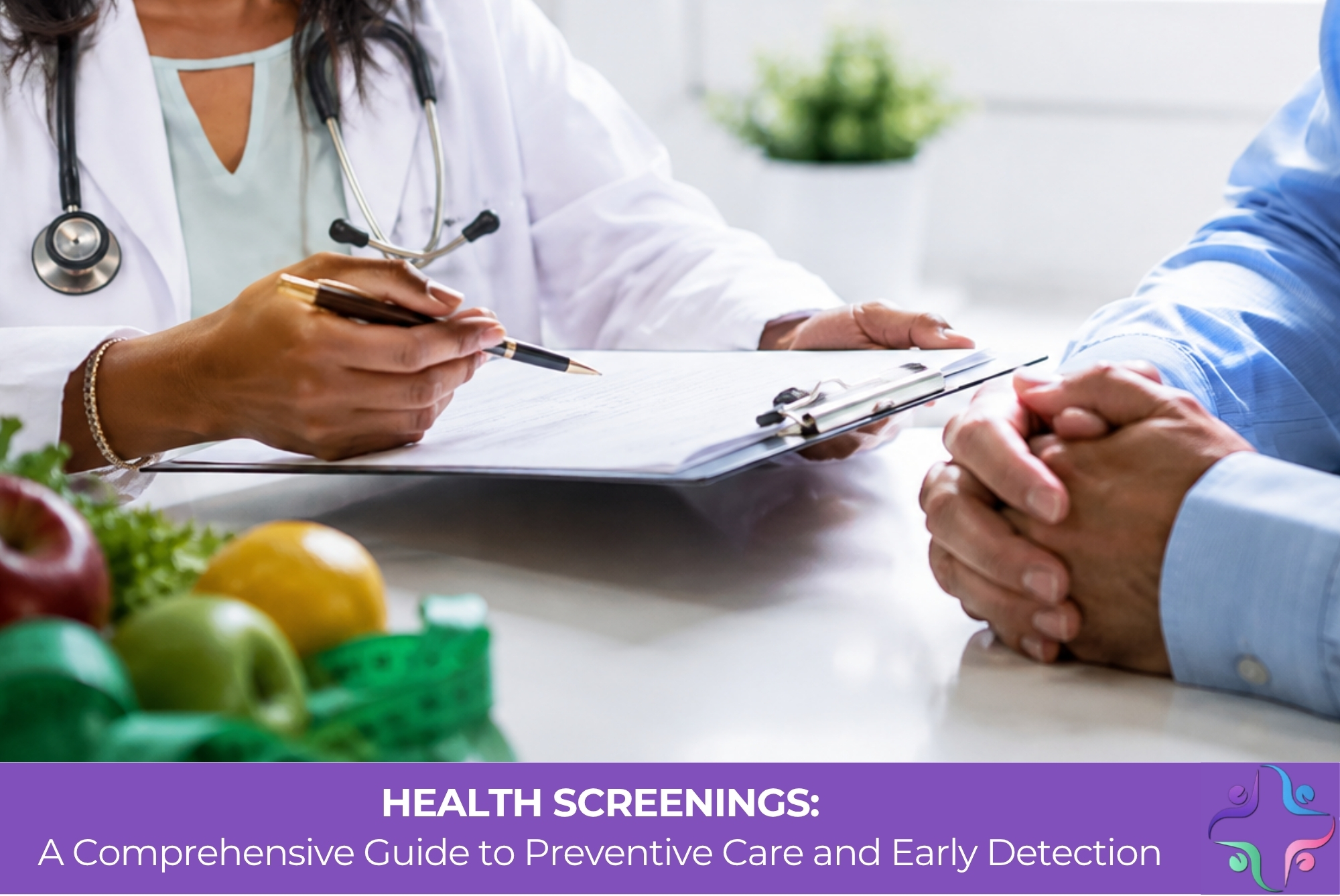
 Health screenings are an important part of preventive healthcare. Many medical conditions can develop gradually and may not cause noticeable symptoms in their early stages. Routine screening gives patients and healthcare providers an opportunity to identify certain health risks or conditions earlier, when additional evaluation, preventive strategies, or treatment may be beneficial.
At Trinity Salem Family Health in Waxahachie, Texas, health screenings can be incorporated into ongoing primary care based on factors such as age, medical history, family history, lifestyle, current health concerns, and established clinical recommendations. Rather than approaching screening as a single test or a one-size-fits-all checklist, preventive care considers the individual patient and the screenings that may be appropriate at different stages of life.
What Are Health Screenings?
Health screenings are evaluations or tests used to look for signs of disease or health risks, often before a person develops symptoms. Screening may involve measurements taken during an office visit, laboratory testing, questionnaires, physical examinations, imaging, or referrals for specialized testing.
Screening differs from diagnostic testing. A screening test generally evaluates an individual who does not have symptoms of the condition being assessed, while diagnostic testing is typically performed to investigate symptoms, abnormal screening results, or another specific medical concern.
An abnormal screening result also does not necessarily mean that a patient has a disease. Depending on the result, additional testing or clinical evaluation may be needed to determine its significance.
Why Are Routine Health Screenings Important?
Preventive screening can provide useful information about a person’s current health and future risk. Some conditions—including high blood pressure, elevated cholesterol, and type 2 diabetes—can be present without obvious symptoms.
Identifying potential concerns earlier may allow patients and their healthcare providers to discuss lifestyle changes, monitoring, additional testing, or treatment before complications develop.
Health screenings can also establish baseline measurements. Tracking blood pressure, weight, laboratory values, and other health indicators over time can help a healthcare provider recognize meaningful changes that may not be apparent from a single visit.
Early Detection of Health Conditions
The potential benefit of screening is closely connected to early detection. Screening programs are generally most useful when detecting a condition earlier can meaningfully affect clinical management or health outcomes.
For example, screening may identify elevated blood pressure before a patient experiences symptoms. Similarly, appropriate screening for diabetes or abnormal cholesterol levels may reveal metabolic or cardiovascular risk that warrants further attention.
Identifying Risk Factors
Preventive care is not limited to detecting existing disease. Health screenings can also identify risk factors associated with future illness.
These factors may include blood pressure, cholesterol levels, blood glucose, tobacco use, weight-related measures, family history, and other elements of a patient’s medical and social history. Understanding these risks can support a more individualized preventive health plan.
Supporting Long-Term Preventive Care
Screening is most effective when it is part of an ongoing relationship with a healthcare provider. Results can be interpreted alongside previous measurements, medications, family history, lifestyle factors, and other relevant information.
This longitudinal approach helps turn individual screening results into actionable clinical information rather than isolated numbers.
Common Health Screenings in Primary Care
The screenings recommended for an individual vary. Age, sex, personal and family medical history, pregnancy status, medications, lifestyle, previous results, and other risk factors can influence what should be screened and how frequently.
Common areas addressed through preventive primary care may include the following.
Blood Pressure Screening
Blood pressure screening measures the pressure exerted by circulating blood against artery walls. Persistently elevated blood pressure, or hypertension, is an important risk factor for cardiovascular disease, stroke, kidney disease, and other complications.
Because hypertension often produces no obvious symptoms, routine blood pressure measurement is an important component of preventive healthcare.
A single elevated reading does not always establish a diagnosis of hypertension. Healthcare providers may recommend repeat measurements, home blood pressure monitoring, or additional evaluation depending on the circumstances.
Cholesterol and Lipid Screening
A lipid panel may measure total cholesterol, low-density lipoprotein (LDL) cholesterol, high-density lipoprotein (HDL) cholesterol, triglycerides, and related values.
These results are considered alongside other cardiovascular risk factors. Age, blood pressure, diabetes, smoking status, family history, and other clinical factors may influence how a healthcare provider interprets cholesterol results and determines appropriate next steps.
Diabetes and Blood Glucose Screening
Diabetes screening can help identify abnormal blood glucose levels, including prediabetes and diabetes. Tests commonly used in appropriate patients include fasting plasma glucose and hemoglobin A1C, among others.
Prediabetes means blood glucose levels are higher than normal but do not meet the criteria for diabetes. Recognizing abnormal glucose levels can create an opportunity to discuss nutrition, physical activity, weight management when appropriate, monitoring, and other preventive or therapeutic measures.
Colorectal Cancer Screening
Colorectal cancer screening is an important preventive service for eligible adults. Several screening approaches are available, including stool-based tests and direct visualization procedures such as colonoscopy.
The appropriate method and screening interval depend on factors including age, personal history, family history, previous findings, and individual risk.
Patients with certain symptoms or elevated risk may require diagnostic evaluation or a screening strategy different from that recommended for average-risk individuals.
Breast Cancer Screening
Mammography is widely used to screen for breast cancer. Decisions about when to begin screening and how frequently it should occur can depend on age, personal risk factors, family history, previous breast findings, and applicable clinical guidelines.
Patients with an increased risk of breast cancer may require an individualized screening strategy or additional forms of evaluation.
Cervical Cancer Screening
Cervical cancer screening may involve a Pap test, testing for high-risk human papillomavirus (HPV), or a combination of approaches depending on age and clinical circumstances.
Screening recommendations can differ for patients with previous abnormal results, certain medical conditions, or a history of specific gynecologic procedures. A healthcare provider can determine which screening strategy is appropriate.
Osteoporosis Screening
Osteoporosis causes bones to become less dense and more susceptible to fractures. Bone density testing may be recommended for certain adults based on age and risk factors.
Factors affecting osteoporosis risk can include age, sex, previous fractures, family history, low body weight, tobacco or alcohol use, certain medications, and medical conditions that affect bone health.
Depression and Mental Health Screening
Preventive healthcare includes mental as well as physical health. Primary care visits may include screening for depression and, when appropriate, other behavioral or mental health concerns.
Screening can help identify symptoms that warrant a more detailed assessment, discussion, treatment, or referral.
Infectious Disease Screening
Depending on individual risk factors and clinical recommendations, preventive care may include screening for certain infections. Examples can include hepatitis B, hepatitis C, HIV, and sexually transmitted infections.
Which tests are appropriate depends on factors such as age, pregnancy, medical history, exposures, and individual risk.
How Are Screening Recommendations Determined?
There is no single screening schedule that applies to every person. Healthcare providers consider evidence-based recommendations together with the patient’s individual circumstances.
Age and Life Stage
The likelihood of developing certain conditions changes throughout life. As a result, some screenings become appropriate at particular ages, while others may no longer be routinely recommended after a certain point or may require individualized decision-making.
Personal Medical History
Previous diagnoses, abnormal test results, surgeries, medications, and other aspects of medical history can affect screening needs.
A person who has previously had an abnormal result may need monitoring at a different interval than someone whose previous screenings have consistently been normal.
Family Medical History
Family history can provide valuable information about risk. A family history of certain cancers, cardiovascular disease, diabetes, osteoporosis, or other conditions may affect when screening begins or how frequently it is performed.
Patients should provide as much accurate family health information as reasonably possible during preventive visits.
Lifestyle and Environmental Risk Factors
Smoking, alcohol consumption, physical activity, nutrition, occupational exposures, sexual health, and other factors may influence screening recommendations.
Discussing these factors candidly with a healthcare provider can help create a preventive care strategy that better reflects a patient’s actual risks.
Health Screenings at Different Stages of Adulthood
Preventive healthcare evolves throughout adulthood. Although specific recommendations vary, understanding how screening priorities can change over time can help patients prepare for conversations with their healthcare providers.
Health Screenings for Younger Adults
Preventive visits for younger adults may emphasize blood pressure, weight-related health measures, mental health, immunizations, sexual health, and screening for infectious diseases or metabolic conditions when indicated.
Family history is also important during this period because it can identify people who may need earlier or more intensive screening than their peers.
Health Screenings During Middle Age
As people move through middle adulthood, cardiovascular and metabolic risks may become increasingly important. Screening for blood pressure, cholesterol, diabetes, and appropriate cancers may play a larger role in preventive care.
This can also be an important period for reviewing long-term health habits, medications, family history, and changes in health since previous examinations.
Health Screenings for Older Adults
Preventive care for older adults may include continued cardiovascular and metabolic assessment, appropriate cancer screening, bone health evaluation, fall-risk assessment, cognitive concerns, medication review, and other age-related considerations.
Screening decisions in older adulthood can become increasingly individualized. Overall health, life expectancy, previous screening history, existing medical conditions, and patient preferences can all influence whether continued screening is beneficial.
What Happens During a Preventive Health Screening Visit?
A preventive visit often begins with a review of the patient’s health history. The healthcare provider may ask about current medications, previous illnesses, surgeries, family medical history, lifestyle, and changes since the previous visit.
Measurements such as blood pressure, pulse, height, and weight may be obtained. Depending on the patient’s needs, the visit may also include a physical examination and discussion of appropriate laboratory tests or other screening procedures.
Preventive visits are also an opportunity to discuss immunizations, nutrition, exercise, sleep, tobacco and alcohol use, mental health, reproductive or sexual health when relevant, and other factors that contribute to overall wellness.
Not every recommended screening necessarily occurs during the same appointment. Some tests may require laboratory work, imaging, a separate procedure, or referral to another healthcare professional.
Understanding Health Screening Results
Receiving a screening result is only one part of preventive healthcare. Results need to be interpreted in the context of the individual patient.
A value outside a laboratory’s reference range does not automatically establish a diagnosis. Likewise, a result within a reference range does not necessarily eliminate every health risk.
Healthcare providers evaluate screening findings together with symptoms, examination findings, medications, previous results, family history, and other relevant factors.
What Happens After an Abnormal Screening?
If a screening result is abnormal, the next step depends on the test and the degree of abnormality. A provider may recommend repeating the test, ordering a more specific diagnostic test, monitoring the finding, making lifestyle changes, starting or adjusting treatment, or referring the patient to a specialist.
Following up on abnormal screening results is important. Patients should ask what the result means, whether additional evaluation is necessary, and when follow-up should occur.
Preparing for a Health Screening Appointment
Patients can help make preventive visits more productive by preparing relevant health information beforehand.
Bring or have access to a current medication and supplement list, information about major family health conditions, previous screening results if they were performed elsewhere, vaccination records when available, and a list of health questions or concerns.
Some laboratory tests may require fasting or other preparation, while many do not. Patients should follow the specific instructions provided by their healthcare team rather than assuming that fasting is required.
Preventive Screening Versus a Diagnostic Evaluation
One important distinction in healthcare is the difference between screening and evaluating symptoms.
Screening generally refers to testing people who do not currently have signs or symptoms of the disease being screened for. If a patient develops symptoms—such as unexplained bleeding, persistent pain, a new lump, significant changes in weight, unusual fatigue, or another concerning change—the appropriate next step may be a diagnostic medical evaluation rather than waiting for the next routine screening.
Patients with new, persistent, or worsening symptoms should contact a healthcare professional for appropriate evaluation.
Building a Personalized Preventive Health Plan
An effective preventive care plan should reflect both medical evidence and individual circumstances. Screening recommendations may change as patients age, develop new health conditions, begin new medications, or experience changes in family history.
Regular primary care provides an opportunity to revisit these factors over time.
At Trinity Salem Family Health, patients can discuss which health screenings may be appropriate based on their current health status and individual risk profile. Preventive care can help patients better understand their health, identify potential concerns, and make informed decisions with their healthcare provider.
Frequently Asked Questions About Health Screenings
What is a health screening?
A health screening is a test, measurement, questionnaire, examination, or other evaluation used to look for a disease or health risk, often before symptoms are present. Screening can help determine whether additional evaluation is appropriate.
Why should I get screened if I feel healthy?
Some conditions can develop without noticeable early symptoms. High blood pressure, abnormal cholesterol, and elevated blood glucose are common examples. Appropriate screening may identify these issues before a person otherwise knows they are present.
What health screenings do I need?
The answer depends on factors including your age, medical history, family history, sex, medications, lifestyle, previous test results, and individual risk factors. A primary care provider can review these factors and recommend appropriate screenings.
How often should I have health screenings?
There is no universal interval for every screening. Some measurements may be checked routinely during medical visits, while other tests may be performed at intervals of several years. Your healthcare provider can recommend a schedule based on current clinical guidance and your individual circumstances.
Does an abnormal screening result mean I have a disease?
Not necessarily. Screening tests are designed to identify people who may need further evaluation. An abnormal result may require repeat testing or a diagnostic test before a condition can be confirmed.
What is the difference between screening and diagnostic testing?
Screening generally looks for potential disease in people without symptoms. Diagnostic testing is used to investigate symptoms, abnormal screening findings, or another specific clinical concern.
Which screenings check cardiovascular health?
Blood pressure measurement and cholesterol testing are commonly used to evaluate cardiovascular risk. Depending on the individual, a healthcare provider may also assess blood glucose, tobacco use, family history, weight-related measures, and other cardiovascular risk factors.
Can a blood test screen for diabetes?
Yes. Blood tests such as fasting plasma glucose and hemoglobin A1C may be used to screen appropriate patients for prediabetes or diabetes. The appropriate test depends on individual circumstances.
Are cancer screenings part of preventive healthcare?
Yes. Depending on age, sex, medical history, and risk factors, preventive care may include screening for cancers such as colorectal, breast, cervical, and lung cancer. Screening recommendations differ by cancer type and individual risk.
Do I need health screenings every year?
Not every screening needs to be performed annually. The appropriate frequency depends on the specific test, age, risk factors, previous results, and current recommendations. Regular primary care visits provide an opportunity to determine what is due.
Can family history affect when I should start screening?
Yes. Family history can significantly influence risk for certain diseases. In some situations, a strong family history may lead a healthcare provider to recommend earlier, more frequent, or specialized screening.
Should I bring previous screening results to my appointment?
Yes, particularly if testing was completed at another healthcare facility. Previous results can help your provider identify trends, avoid unnecessary duplication, and determine whether follow-up is needed.
Do I need to fast before screening blood work?
It depends on the tests being ordered. Some laboratory tests may require fasting, while others do not. Follow the instructions provided by Trinity Salem Family Health or the laboratory performing your tests.
Can health screenings prevent disease?
Screening itself does not prevent every disease. However, screening can identify certain diseases or risk factors earlier, potentially allowing preventive measures, monitoring, or treatment to begin sooner.
What if I have symptoms before my scheduled screening?
Do not rely on routine screening to evaluate new or concerning symptoms. Contact a healthcare professional to determine whether you need a diagnostic evaluation.
Can my screening needs change over time?
Yes. Screening needs can change with age, new medical diagnoses, medication changes, pregnancy, lifestyle changes, family history, and previous screening results. Preventive recommendations should therefore be reviewed periodically.
Where can I schedule health screenings in Waxahachie, TX?
Patients interested in preventive healthcare and appropriate health screenings can contact Trinity Salem Family Health in Waxahachie, Texas, to discuss their needs and schedule an appointment.
Contact Information
Trinity Salem Family Health
1007 Legacy Ranch Rd., Suite 102
Waxahachie, TX 75165
Phone: (972) 666-8111
Website: trinitysalemfamilyhealth.com
Make an Appointment: trinitysalemfamilyhealth.com/appointments