
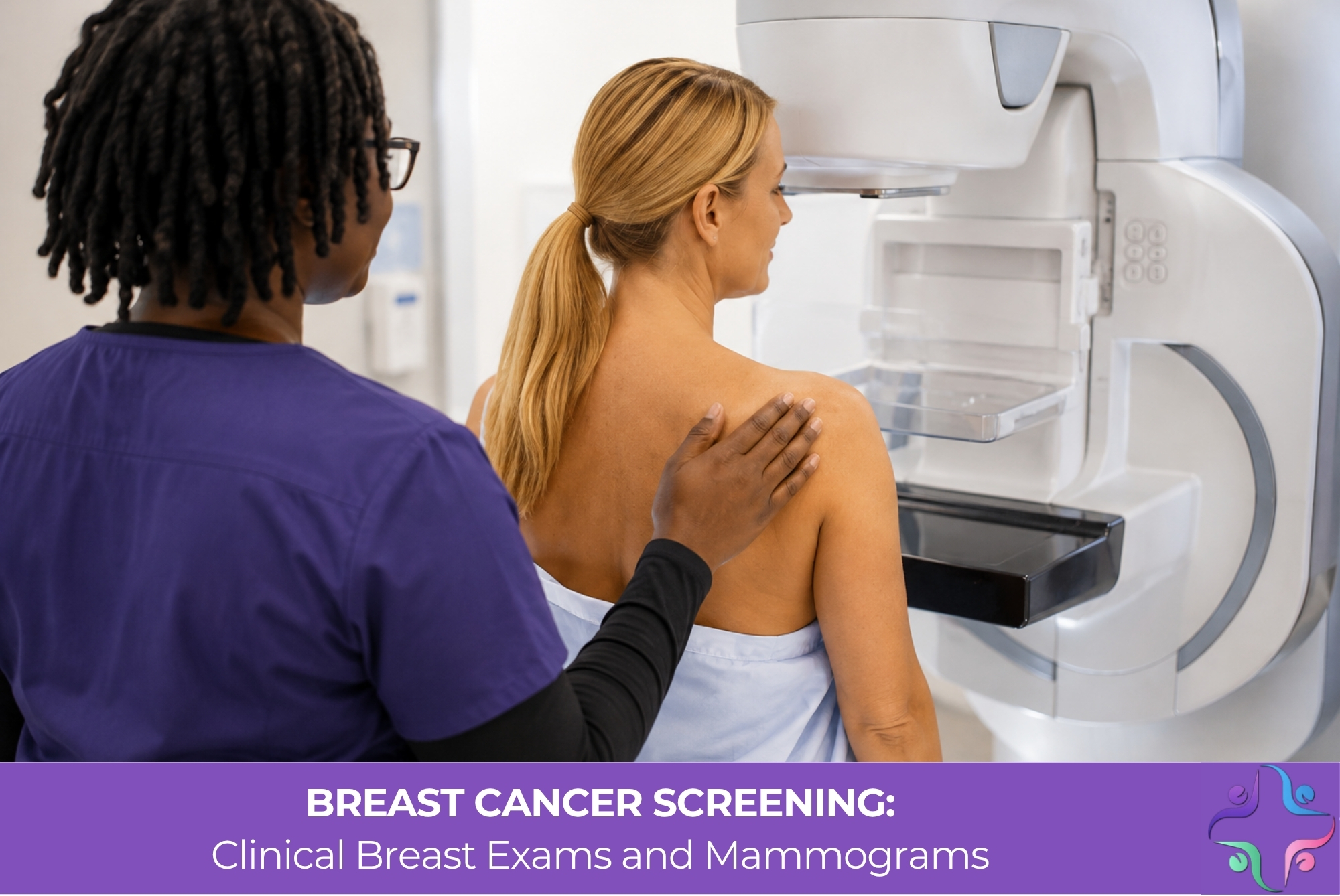
 Breast cancer screening is an important part of preventive health care. Finding breast cancer at an earlier stage can create more treatment options and may improve outcomes. Two tools commonly associated with breast health evaluation are the clinical breast exam, which can be performed during an office visit, and mammography, which uses specialized X-ray imaging to look for changes within breast tissue.
At Trinity Salem Family Health in Waxahachie, TX, patients can discuss breast health concerns, personal risk factors, screening history, and appropriate next steps with a healthcare provider. Depending on a patient’s age, symptoms, medical history, family history, and other risk factors, care may include an in-office clinical breast exam and a recommendation or order for a mammogram when appropriate.
Understanding what these evaluations involve—and when they may be recommended—can help patients take a more informed role in their breast health.
What Is Breast Cancer?
Breast cancer occurs when abnormal cells in breast tissue grow uncontrollably. These cells can form a tumor and, in some cases, spread to nearby lymph nodes or other areas of the body.
Breast cancer is not a single disease. Different types can have different biological characteristics, growth patterns, and treatment approaches. This is one reason professional medical evaluation and appropriate diagnostic testing are important when a concerning breast change is identified.
Although breast cancer occurs predominantly in women, men can develop breast cancer as well.
Why Is Breast Cancer Screening Important?
Breast cancer does not always cause noticeable symptoms in its early stages. Screening is intended to identify potential cancer before symptoms develop.
Mammography is the primary imaging test used for breast cancer screening. Depending on an individual’s circumstances, a healthcare provider may also evaluate breast health through a clinical examination and determine whether additional testing is warranted.
Screening recommendations are not necessarily identical for every patient. Age, overall health, previous breast findings, breast density, family history, genetic factors, and personal medical history can influence an individualized screening plan.
What Is the Goal of Breast Cancer Screening?
The goal is to identify breast cancer as early as reasonably possible while balancing the benefits and potential limitations of screening.
Early detection may mean that a cancer is smaller or has not spread as extensively when it is diagnosed. However, screening tests are not perfect. Mammograms can produce false-positive findings that require additional evaluation, and some cancers may not be detected through routine screening.
A conversation with a healthcare provider can help patients understand the benefits, limitations, and recommended timing of screening based on their individual circumstances.
Clinical Breast Exams in the Office
A clinical breast exam is a physical examination of the breasts performed by a trained healthcare professional. It may be included as part of an evaluation when a patient reports a breast symptom or when a provider determines that an examination is appropriate.
What Happens During a Clinical Breast Exam?
During the examination, a healthcare provider may visually inspect the breasts for changes in appearance and carefully feel the breast tissue and surrounding areas.
The provider may evaluate for findings such as:
- A breast lump or area of thickening
- Changes in breast shape, size, or symmetry
- Skin dimpling, puckering, redness, or other visible changes
- Nipple changes
- Unusual nipple discharge
- Tender or unusual areas
- Enlarged or abnormal-feeling lymph nodes near the breast or underarm
If something unusual is found, the clinical breast exam can help guide the next step in evaluation.
Can a Clinical Breast Exam Diagnose Breast Cancer?
No. A clinical breast exam alone cannot confirm or rule out breast cancer.
A lump or other breast change can have many causes, including benign conditions. Conversely, some breast cancers may be too small or located too deeply to be detected through physical examination.
When a concerning finding is identified, a healthcare provider may recommend imaging or other diagnostic evaluation.
Does a Clinical Breast Exam Replace a Mammogram?
No. A physical breast examination and a mammogram provide different types of information.
A clinical breast exam allows a healthcare professional to evaluate changes that can be seen or felt. Mammography provides images of internal breast tissue and may identify abnormalities that cannot be felt during an examination.
For patients who are candidates for mammography, having a normal physical examination does not necessarily mean that mammographic screening should be skipped.
Mammograms and Breast Cancer Screening
A mammogram is a specialized X-ray examination of breast tissue. Mammography can reveal masses, calcifications, distortions, and other changes that may require further assessment.
What Is a Screening Mammogram?
A screening mammogram is generally performed in patients who do not have breast symptoms and is intended to look for signs of breast cancer before they can be noticed physically.
If a screening mammogram identifies an abnormality, additional imaging or testing may be recommended.
What Is a Diagnostic Mammogram?
A diagnostic mammogram is used to investigate a specific breast concern or an abnormality found on a screening study.
For example, diagnostic imaging may be appropriate when evaluating:
- A new breast lump
- Certain types of nipple discharge
- Changes involving the nipple
- Skin changes involving the breast
- A specific area of persistent concern
- An abnormal or unclear screening mammogram result
Diagnostic mammography generally involves additional or targeted images compared with routine screening mammography.
What Happens During a Mammogram?
During mammography, each breast is positioned on an imaging platform and compressed between plates for a short period while images are obtained.
Compression spreads the breast tissue so that clearer images can be produced while limiting the amount of radiation required. Some patients experience pressure or temporary discomfort, but each image typically takes only a brief time.
The images are then interpreted by a qualified medical professional, usually a radiologist.
When Should You Get a Mammogram?
There is no single screening schedule appropriate for every person. Recommendations vary somewhat among professional organizations and may change as medical evidence evolves.
For women at average risk, major medical organizations generally recommend beginning regular mammographic screening during midlife, although the recommended starting age and screening interval differ among guidelines.
The U.S. Preventive Services Task Force, for example, recommends biennial screening mammography for women ages 40 through 74. Other professional organizations may recommend different intervals or emphasize individualized decisions.
Patients should discuss when to begin mammograms, how frequently to have them, and when screening should continue with their healthcare provider.
What If I Have a Higher Risk of Breast Cancer?
People at increased risk may need an individualized screening strategy. In some circumstances, screening may begin earlier or additional imaging such as breast MRI may be considered.
Factors that can influence breast cancer risk include:
- A personal history of breast cancer or certain high-risk breast conditions
- A strong family history of breast or ovarian cancer
- Certain inherited genetic variants associated with breast cancer risk
- Previous radiation treatment to the chest at a young age
- Increasing age
- Certain reproductive and hormonal factors
- Breast density and other clinical considerations
Having one or more risk factors does not mean that a person will develop breast cancer. Likewise, breast cancer can occur in someone without an obvious family history or known high-risk genetic variant.
A healthcare provider can review individual and family history and determine whether additional risk assessment may be appropriate.
Breast Cancer Symptoms That Should Be Evaluated
Routine screening is intended for people without symptoms, but new breast changes should not simply be ignored while waiting for the next scheduled mammogram.
What Breast Changes Should I Tell My Healthcare Provider About?
Consider seeking medical evaluation for a new or unexplained breast change, including:
- A new lump in the breast or underarm
- Thickening or swelling involving part of the breast
- Changes in breast size or shape
- Dimpling or puckering of breast skin
- Persistent redness or other significant skin changes
- A nipple that newly turns inward
- Unexplained nipple discharge, particularly bloody discharge
- Changes involving the nipple or areola
- Persistent focal breast pain or another new breast concern
Many breast symptoms are caused by conditions other than cancer. A medical evaluation can help determine what is causing the change and whether imaging or additional testing is needed.
What Happens If a Breast Lump Is Found?
Finding a breast lump does not automatically mean cancer. Breast lumps can result from cysts, fibroadenomas, hormonal changes, infections, and other benign conditions.
However, a new or unexplained lump deserves appropriate evaluation.
How Is a Breast Lump Evaluated?
Evaluation may begin with a medical history and clinical breast exam. Depending on the patient’s age and the characteristics of the finding, a provider may recommend diagnostic mammography, breast ultrasound, or another test.
If imaging reveals a suspicious abnormality, a biopsy may be needed. During a biopsy, a small sample of tissue is obtained and examined to determine whether cancer cells are present.
The appropriate sequence of testing depends on the individual clinical situation.
Understanding Mammogram Results
Mammography results are commonly reported using the Breast Imaging Reporting and Data System, known as BI-RADS. This standardized system helps communicate imaging findings and recommended follow-up.
A result may indicate that the examination is negative or benign, that additional imaging is needed, that short-term follow-up is recommended, or that a finding is suspicious enough to warrant further evaluation.
Does an Abnormal Mammogram Mean I Have Cancer?
No. An abnormal mammogram does not automatically mean breast cancer is present.
Many patients who are called back after a screening mammogram ultimately have benign findings. Additional mammogram views, ultrasound, MRI in selected circumstances, or biopsy may be used to clarify an abnormal result.
Follow-up is important because additional evaluation is what determines whether a finding is benign or requires further investigation.
What Does It Mean to Have Dense Breasts?
Breast density describes the relative amounts of fibrous and glandular tissue compared with fatty tissue visible on a mammogram. Breast density is determined from mammographic imaging rather than by how the breasts look or feel.
Dense breast tissue can make some abnormalities more difficult to identify on mammography, and higher breast density is also associated with increased breast cancer risk.
Do Dense Breasts Mean I Need Additional Screening?
Not necessarily. The appropriate approach depends on overall breast cancer risk and other clinical factors.
Patients who are informed that they have dense breasts can discuss the finding with their healthcare provider to determine whether additional risk assessment or supplemental imaging should be considered.
Preparing for a Mammogram
A few practical steps can make a mammography appointment easier.
How Can I Prepare?
On the day of the mammogram, patients are commonly advised to avoid applying deodorant, antiperspirant, powders, lotions, or creams around the breasts and underarms because some products may interfere with imaging.
Patients should also tell the mammography facility about:
- Previous breast surgery
- Breast implants
- Current breast symptoms
- Previous abnormal mammograms
- Pregnancy or possible pregnancy
- Relevant family or personal history
When possible, previous mammogram images should be available to the interpreting facility so that current and prior studies can be compared.
Breast Health and Preventive Primary Care
Breast health is one component of comprehensive preventive care. Primary care visits provide an opportunity to review screening history, changes in personal or family medical history, medications, lifestyle factors, and other preventive healthcare needs.
At Trinity Salem Family Health, patients can discuss breast concerns and questions about mammography with a healthcare provider. An office evaluation can help determine whether a clinical breast exam, routine screening, diagnostic imaging, or another next step is appropriate.
Frequently Asked Questions About Clinical Breast Exams and Mammograms
What is a clinical breast exam?
A clinical breast exam is an examination performed by a healthcare professional to look and feel for abnormalities involving the breasts and nearby areas.
Can a clinical breast exam detect breast cancer?
A clinical exam can identify some suspicious changes, but it cannot diagnose breast cancer or identify every cancer. Additional imaging or biopsy may be necessary depending on the findings.
Is a mammogram the same as a clinical breast exam?
No. A clinical breast exam is a physical examination, while mammography uses X-rays to create images of internal breast tissue.
Can I have breast cancer without feeling a lump?
Yes. Some breast cancers do not cause a noticeable lump, particularly when they are small. This is one reason screening mammography can be important for eligible patients.
At what age should I start getting mammograms?
The appropriate starting age depends on individual risk and the guideline being followed. The U.S. Preventive Services Task Force recommends mammography every two years for women ages 40 through 74 at average risk. Other organizations have somewhat different recommendations. Discuss your personal screening schedule with your healthcare provider.
How often should I get a mammogram?
Screening intervals can vary based on age, risk factors, health history, and the recommendations being followed. Some patients undergo annual screening, while others may undergo screening every two years. Your healthcare provider can help determine an appropriate interval.
Do mammograms hurt?
Mammograms require temporary compression of the breasts. Some people experience pressure or discomfort, while others find the procedure relatively easy to tolerate. The compression for each image lasts only briefly.
Is there radiation exposure from a mammogram?
Yes. Mammography uses a low dose of X-ray radiation. Healthcare professionals consider both the potential benefits and risks when recommending screening.
What if I find a breast lump shortly after having a normal mammogram?
Contact a healthcare provider rather than waiting until your next routine screening. A new lump or other concerning breast change may need clinical evaluation even after a recent normal mammogram.
Are all breast lumps cancerous?
No. Many breast lumps are benign. However, a new or unexplained lump should be evaluated because physical examination alone cannot always determine its cause.
What happens if my mammogram is abnormal?
You may be asked to return for additional mammogram images, an ultrasound, or another diagnostic test. In some cases, a biopsy may be recommended. An abnormal screening result does not necessarily mean that cancer is present.
What is a breast biopsy?
A breast biopsy is a procedure in which tissue is removed from a suspicious area and examined for abnormal or cancerous cells. A biopsy may be recommended when imaging or examination identifies a finding requiring definitive evaluation.
Can women with breast implants get mammograms?
Yes. Patients with breast implants can undergo mammography, but they should tell the imaging facility about their implants when scheduling and before the examination. Specialized imaging views may be necessary.
Do men need to worry about breast cancer?
Although breast cancer is much less common in men, it can occur. Men who develop a new breast lump, nipple change, discharge, or another concerning breast symptom should seek medical evaluation.
Should I get a mammogram if breast cancer does not run in my family?
Potentially, yes. Many people diagnosed with breast cancer do not have a known strong family history. Screening recommendations consider age and overall risk rather than family history alone.
Can I schedule an appointment if I notice a breast change?
Yes. A new lump, nipple change, discharge, skin change, or other persistent breast concern should be discussed with a healthcare provider. An evaluation can help determine whether imaging or other testing is appropriate.
Schedule a Breast Health Appointment in Waxahachie, TX
Being proactive about breast health includes understanding your personal risk, paying attention to new breast changes, and following an appropriate screening plan.
If you have questions about breast cancer screening, have noticed a breast change, or want to discuss whether a clinical breast exam or mammogram is appropriate for you, contact Trinity Salem Family Health in Waxahachie, Texas to schedule an appointment.
Contact Information
Trinity Salem Family Health
1007 Legacy Ranch Rd., Suite 102
Waxahachie, TX 75165
Phone: (972) 666-8111
Website: trinitysalemfamilyhealth.com
Make an Appointment: trinitysalemfamilyhealth.com/appointments