
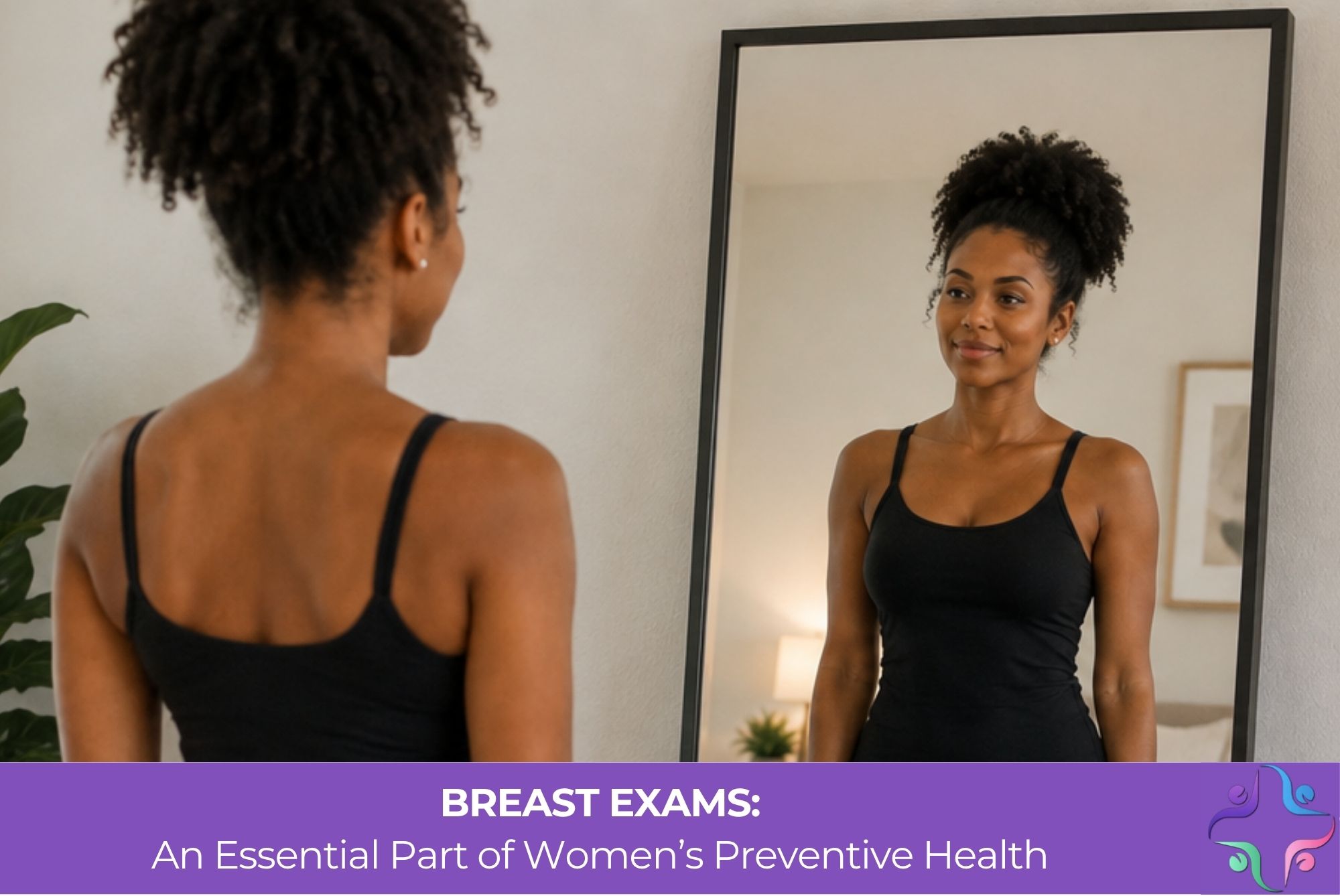
 Breast health is an important component of a woman’s overall wellness. Routine breast exams can help women become more aware of changes in their breasts and give healthcare providers an opportunity to evaluate concerns that may require additional testing.
At Trinity Salem Family Health in Waxahachie, Texas, women’s health services include preventive care and evaluation of breast-related concerns. A breast exam can be an important part of routine healthcare, particularly when a patient notices a new lump, breast pain, nipple changes, skin changes, or another symptom.
Understanding what happens during a breast exam, when to seek medical attention, and how clinical exams fit alongside breast cancer screening can help women make informed decisions about their health.
What Is a Breast Exam?
A clinical breast exam is a physical examination of the breasts performed by a qualified healthcare professional. During the examination, the provider evaluates the breasts and surrounding areas for changes that could warrant further evaluation.
The exam may include visually examining the breasts for changes in appearance and gently feeling the breast tissue and nearby areas for lumps, thickening, tenderness, or other abnormalities.
A breast exam does not diagnose breast cancer on its own. If an abnormality is identified, a healthcare provider may recommend additional evaluation, which can include diagnostic imaging or referral to an appropriate specialist.
Why Are Breast Exams Important?
Breasts naturally change throughout a woman’s life. Hormonal fluctuations, pregnancy, breastfeeding, aging, medications, and other factors can affect breast tissue.
Many breast changes are benign, meaning they are not cancer. However, a new or unexplained change deserves appropriate medical evaluation.
A clinical breast exam gives a healthcare provider an opportunity to assess symptoms, discuss personal and family health history, and determine whether further testing may be appropriate.
Breast health appointments also provide an opportunity to discuss breast cancer screening recommendations and other preventive health needs.
What Happens During a Clinical Breast Exam?
A breast exam generally begins with a discussion of the patient’s health history and any current symptoms. Patients should tell their healthcare provider about new or unusual breast changes, previous breast conditions, prior imaging or biopsies, and relevant family history.
During the physical examination, the provider may visually inspect the breasts for changes involving size, shape, symmetry, skin, or nipples. The provider may then palpate, or gently feel, the breast tissue to check for lumps, areas of thickening, tenderness, or other findings.
The underarm and nearby lymph node areas may also be examined when clinically appropriate.
If something unusual is found, the next step depends on the patient’s age, symptoms, medical history, examination findings, and other individual factors.
What Can a Breast Exam Detect?
A clinical breast exam may identify or help evaluate several types of breast changes, including:
- A new breast lump or area of thickening
- Changes in breast size, shape, or appearance
- Persistent or localized breast tenderness
- Changes in breast skin
- Nipple inversion or other new nipple changes
- Unexplained nipple discharge
- Swelling involving part or all of a breast
- Changes involving the underarm area
These findings do not necessarily indicate breast cancer. Cysts, hormonal changes, infections, fibroadenomas, and other benign conditions can also cause breast symptoms.
The purpose of evaluation is to determine whether a finding requires observation, additional testing, treatment, or specialist care.
When Should You See a Healthcare Provider About a Breast Lump?
A new breast lump should be evaluated by a healthcare professional rather than diagnosed at home.
Breast lumps can have many causes, and many are noncancerous. Characteristics such as tenderness, firmness, mobility, or location cannot reliably determine the cause without appropriate medical assessment.
If you discover a new lump or a persistent area that feels different from surrounding breast tissue, schedule an appointment for evaluation.
What Other Breast Changes Should Be Evaluated?
Women should contact a healthcare provider when they notice a new or unexplained breast change, particularly if it persists.
Changes that may warrant evaluation include a new lump, skin dimpling, persistent redness or swelling, a newly inverted nipple, unusual nipple discharge, a persistent focal area of pain, or a noticeable change in the shape or appearance of a breast.
Prompt evaluation does not mean that cancer is suspected or present. It allows a healthcare professional to determine what is causing the change and whether further assessment is necessary.
Are Breast Exams the Same as Mammograms?
No. A clinical breast exam and a mammogram are different.
A clinical breast exam is a physical examination performed by a healthcare provider. A mammogram is an X-ray examination of breast tissue used for breast cancer screening or diagnostic evaluation.
One does not automatically replace the other. Depending on a patient’s age, risk factors, symptoms, and medical history, a healthcare provider may discuss appropriate imaging and screening recommendations.
How Often Should Women Have Mammograms?
Mammography recommendations can vary according to age, individual breast cancer risk, personal and family history, and the guidelines being followed.
For women at average risk, the U.S. Preventive Services Task Force recommends screening mammography every two years from ages 40 through 74. Other professional organizations may recommend different screening intervals or individualized approaches.
Women with certain risk factors may need a different screening plan. A healthcare provider can help patients understand which recommendations are appropriate for their individual circumstances.
Does Family History Affect Breast Cancer Risk?
Family history can be an important part of assessing breast cancer risk.
Patients should tell their healthcare provider if close relatives have had breast cancer, ovarian cancer, or certain other cancers, particularly when cancers occurred at younger ages or affected multiple family members.
Family history is only one component of risk. Some women who develop breast cancer do not have a known family history, while having a family history does not mean that a woman will develop breast cancer.
When appropriate, a healthcare professional may recommend additional risk assessment, genetic counseling, or changes to a screening strategy.
What Is Breast Self-Awareness?
Breast self-awareness means becoming familiar with how your breasts normally look and feel so that you are more likely to recognize a significant change.
Breast self-awareness is different from relying on a rigid, formal self-examination routine as a substitute for professional care or recommended breast cancer screening.
Women who notice a new or unusual change should discuss it with a healthcare provider, even if they recently had a normal screening test.
Can Breast Pain Be a Sign of a Serious Condition?
Breast pain is common and can have many causes. Hormonal fluctuations, menstrual cycles, pregnancy, medications, poorly fitting bras, cysts, injuries, and other conditions can contribute to breast discomfort.
Breast pain by itself is not usually a sign of breast cancer, but persistent, worsening, unexplained, or localized pain should be discussed with a healthcare professional.
Seek medical evaluation promptly when breast pain occurs with other concerning changes such as a new lump, significant redness, warmth, swelling, nipple discharge, or skin changes.
What Causes Nipple Discharge?
Nipple discharge can have several possible causes, ranging from hormonal changes and medications to benign breast conditions and, less commonly, more serious conditions.
Discharge that occurs spontaneously, comes from one breast, is bloody or clear, or is accompanied by a lump or other breast change deserves medical evaluation.
A healthcare provider can assess the characteristics of the discharge and determine whether imaging, laboratory testing, or another form of evaluation is appropriate.
Breast Exams During Different Stages of Life
Breast health needs can change throughout adulthood.
Younger women may experience breast tenderness or lumpiness related to menstrual cycles and hormonal fluctuations. Pregnancy and breastfeeding can also cause substantial changes in breast tissue.
As women age, breast tissue and breast cancer risk change. Preventive visits provide an opportunity to discuss current symptoms, personal risk factors, and age-appropriate screening.
There is no single breast health plan that is appropriate for every woman. Individualized care is important.
Breast Health and Preventive Women’s Healthcare
Breast health is one part of comprehensive women’s preventive care.
Depending on a woman’s age, health history, risk factors, and individual needs, preventive healthcare may also include blood pressure checks, cholesterol and diabetes screening, cervical cancer screening, immunizations, reproductive health discussions, and other recommended services.
Regular visits can help establish an ongoing relationship with a healthcare provider and create opportunities to address health concerns before they become more complicated.
Preparing for a Breast Exam Appointment
Patients can help make a breast health appointment more informative by preparing relevant details in advance.
Consider noting when a breast change was first noticed, whether it has changed over time, whether symptoms appear related to the menstrual cycle, and whether there is pain, discharge, swelling, or another associated symptom.
It can also be helpful to bring information about previous mammograms, breast ultrasounds, biopsies, surgeries, or other breast-related medical history if those records are not already available to the provider.
Patients should also be prepared to discuss relevant family history.
When Should You Seek Prompt Medical Attention?
Contact a healthcare professional promptly if you notice a new or unexplained breast lump, significant breast swelling, persistent redness or warmth, skin dimpling, a new nipple inversion, bloody nipple discharge, or another substantial change.
Breast redness, warmth, swelling, pain, and fever can sometimes be associated with infection and may require timely medical care.
If you are uncertain whether a symptom requires evaluation, contacting a healthcare provider is appropriate.
Breast Exams in Waxahachie, TX
Women seeking breast health evaluation in Waxahachie can discuss their symptoms, medical history, risk factors, and preventive healthcare needs with Trinity Salem Family Health.
Whether you have noticed a breast change or want to discuss breast health as part of your overall women’s healthcare, an appointment provides an opportunity for individualized evaluation and guidance.
Frequently Asked Questions About Breast Exams
What is a clinical breast exam?
A clinical breast exam is a physical examination of the breasts performed by a healthcare professional. The provider evaluates the breasts for lumps, changes in appearance, tenderness, skin or nipple abnormalities, and other findings that may require further evaluation.
How long does a breast exam take?
The physical breast examination itself is generally brief, although the overall appointment may take longer because your provider may discuss symptoms, medical history, family history, screening recommendations, and possible next steps.
Does a breast exam hurt?
A breast exam should generally not be painful, although some areas may be tender, particularly because of hormonal changes or an existing breast condition. Tell your provider if you experience discomfort during the examination.
What happens if my healthcare provider finds a lump?
Finding a lump does not automatically mean breast cancer. Depending on the characteristics of the lump and your individual circumstances, your provider may recommend additional evaluation, such as diagnostic mammography, breast ultrasound, or referral to a specialist.
Are most breast lumps cancerous?
Many breast lumps are caused by benign conditions. However, the cause of a new lump cannot be reliably determined at home. New or unexplained breast lumps should be medically evaluated.
Can younger women develop breast problems?
Yes. Women can experience breast conditions at any age. Many conditions in younger women are benign, but new or unusual breast changes should still be discussed with a healthcare provider.
Should I get a breast exam if I have no symptoms?
Your healthcare provider can discuss whether a clinical breast examination is appropriate based on your age, risk factors, health history, and preventive care needs. Breast cancer screening recommendations should also be considered separately.
Can a breast exam replace a mammogram?
No. A physical breast exam and mammography serve different purposes. A clinical exam should not be considered a replacement for recommended breast cancer screening.
Should I make an appointment if my mammogram was normal but I find a lump?
Yes. A new breast lump or other significant breast change should be reported to a healthcare provider even if a previous mammogram was normal.
When should mammogram screening begin?
For women at average risk, the U.S. Preventive Services Task Force recommends biennial screening mammography from ages 40 through 74. Recommendations may differ for women with elevated risk or according to other professional guidelines, so individual screening decisions should be discussed with a healthcare provider.
What should I tell my provider about my family history?
Tell your provider about relatives who have had breast, ovarian, or related cancers when known. Information such as which relative was affected and their approximate age at diagnosis can help with risk assessment.
Should I worry about breast pain?
Breast pain is common and frequently has a benign cause. However, persistent, worsening, localized, or unexplained pain—particularly when accompanied by a lump, nipple change, skin change, redness, or swelling—should be evaluated.
What should I do if I notice nipple discharge?
New or unexplained nipple discharge should be discussed with a healthcare provider. Spontaneous, bloody, clear, or one-sided discharge may warrant additional evaluation.
Can breastfeeding cause breast lumps?
Yes. Breastfeeding can be associated with blocked milk ducts, engorgement, mastitis, and other breast changes. A persistent lump or symptoms such as significant redness, warmth, pain, or fever should be medically evaluated.
What should I do before my breast exam?
Be prepared to describe any symptoms, when they started, and whether they have changed. If possible, provide information about previous breast imaging, procedures, medications, and relevant family history.
Where can I schedule a breast exam in Waxahachie, Texas?
Women in Waxahachie and surrounding communities can contact Trinity Salem Family Health at (972) 666-8111 or use the practice’s online appointment page to request an appointment for women’s health services and discuss breast-related concerns.
Contact Information
Trinity Salem Family Health
1007 Legacy Ranch Rd., Suite 102
Waxahachie, TX 75165
Phone: (972) 666-8111
Website: trinitysalemfamilyhealth.com
Make an Appointment: trinitysalemfamilyhealth.com/appointments