
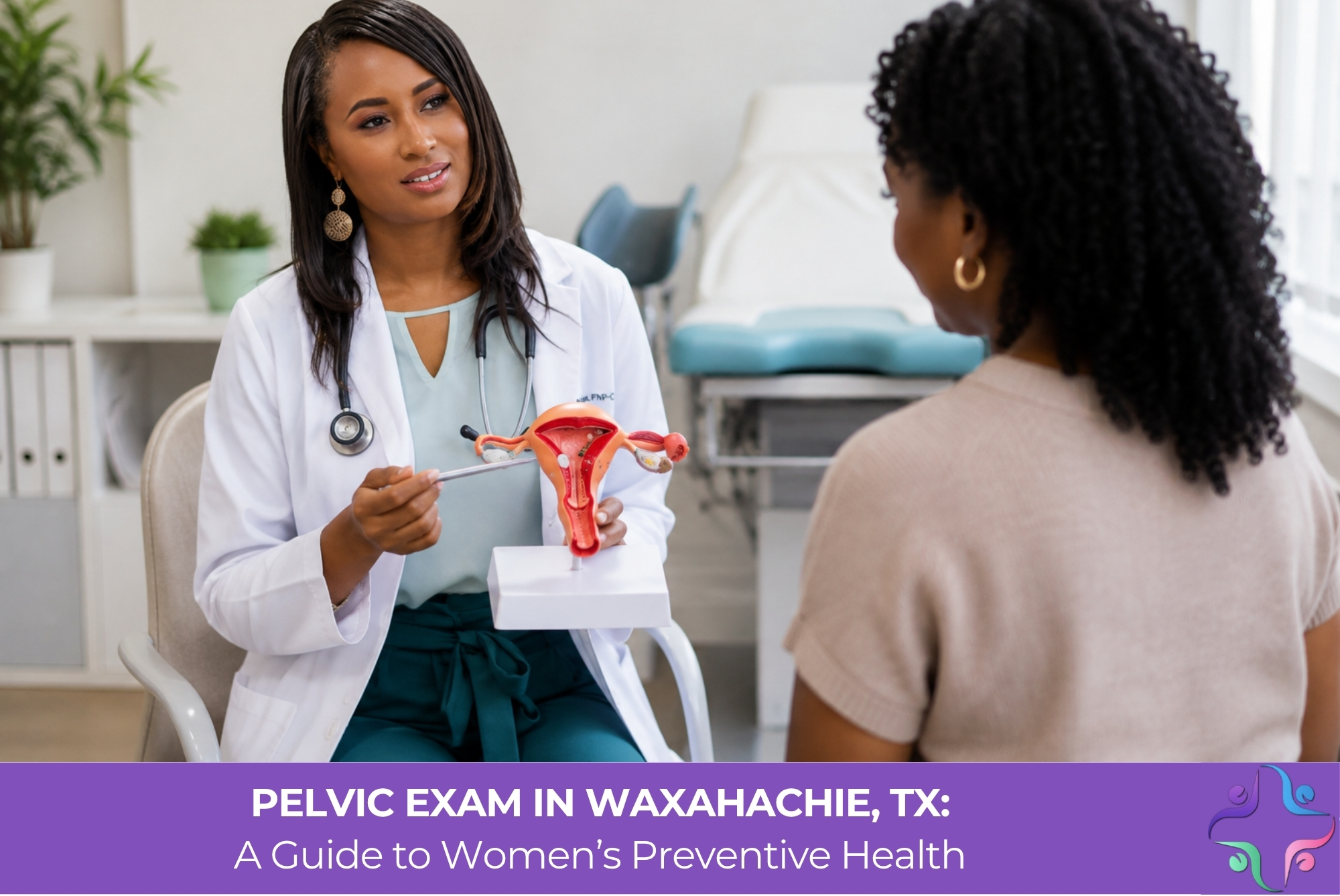
A pelvic exam is an important component of women’s healthcare that allows a medical provider to evaluate the health of the reproductive organs and assess symptoms that may involve the vagina, cervix, uterus, ovaries, or surrounding pelvic structures. Depending on a patient’s age, medical history, symptoms, and preventive care needs, a pelvic exam may be recommended as part of a routine visit or to investigate a specific concern.
At Trinity Salem Family Health in Waxahachie, Texas, women’s health services are provided with an emphasis on respectful, individualized care. Understanding what happens during a pelvic exam, why one may be recommended, and how to prepare can help patients feel more informed when discussing their healthcare needs with a provider.
What Is a Pelvic Exam?
A pelvic exam is a physical examination of the pelvic and reproductive organs. Depending on the reason for the visit, a healthcare provider may examine the external genital area and evaluate internal reproductive structures.
A pelvic exam is not the same thing as a Pap test. A Pap test, also called cervical cytology, is a screening test in which cells are collected from the cervix and examined for changes that could indicate precancerous or cancerous abnormalities. A pelvic examination is broader and may be performed with or without cervical cancer screening.
Whether either procedure is appropriate depends on factors such as age, symptoms, health history, previous screening results, and current clinical recommendations.
Why Are Pelvic Exams Performed?
A healthcare provider may recommend a pelvic examination for preventive care or to investigate symptoms.
Routine and Preventive Women’s Healthcare
A pelvic exam may be considered as part of a woman’s preventive healthcare based on her individual needs. Preventive visits also provide an opportunity to discuss menstrual health, reproductive health, contraception, sexual health, menopause, recommended screenings, and other health concerns.
Not every patient requires a pelvic examination at every wellness visit. The decision should be individualized based on symptoms, medical history, risk factors, age, and discussion between the patient and healthcare provider.
Abnormal Vaginal Bleeding
Bleeding between menstrual periods, unusually heavy periods, bleeding after sexual intercourse, or bleeding after menopause should be discussed with a healthcare professional. There are many potential causes of abnormal bleeding, and a pelvic examination may be one component of the evaluation.
Pelvic Pain
Pelvic pain can have numerous causes involving the reproductive, urinary, gastrointestinal, or musculoskeletal systems. When appropriate, a pelvic exam may help a provider identify tenderness or other findings that can guide further evaluation.
Vaginal Discharge, Irritation, or Odor
Changes in vaginal discharge, persistent irritation, itching, discomfort, or unusual odor may warrant medical evaluation. Depending on the symptoms, a provider may perform an examination and recommend laboratory testing to determine the cause.
Pain During Sexual Intercourse
Pain during intercourse can be associated with several conditions. A pelvic examination may help identify possible causes, although additional testing or referral may sometimes be necessary.
Urinary or Pelvic Symptoms
Some urinary symptoms can overlap with gynecologic conditions. Discussing the location, timing, severity, and duration of symptoms can help a healthcare provider determine whether a pelvic examination or other evaluation is appropriate.
What Happens During a Pelvic Exam?
The exact examination can vary according to the reason for the visit and the patient’s healthcare needs. A provider should explain the examination and give the patient an opportunity to ask questions before proceeding.
Medical History and Symptom Discussion
Before the physical examination, the provider may ask about current symptoms, menstrual history, pregnancies, previous gynecologic conditions, medications, sexual or reproductive health concerns, and previous screening results.
Providing accurate information can help the provider determine which parts of an examination or which additional tests may be useful.
External Examination
The provider may visually examine the external genital area for signs of irritation, skin changes, lesions, swelling, or other abnormalities.
Speculum Examination
When clinically appropriate, a provider may gently insert a medical instrument called a speculum into the vagina. The speculum allows visualization of the vaginal walls and cervix.
During this portion of the examination, samples may be collected when indicated. For example, cervical cancer screening or testing for certain infections may be performed depending on the purpose of the visit.
Bimanual Examination
A bimanual examination may be performed to assess internal pelvic structures. The provider typically inserts one or two gloved, lubricated fingers into the vagina while gently pressing on the lower abdomen with the other hand.
This can help assess the uterus and surrounding pelvic structures for tenderness, enlargement, or other findings.
Is a Pelvic Exam the Same as a Pap Smear?
No. Although the two may occur during the same appointment, they serve different purposes.
A pelvic exam is a physical examination used to assess pelvic and reproductive health. A Pap test involves collecting cervical cells to screen for cervical cell changes. Cervical cancer screening recommendations depend on factors including age, medical history, previous test results, and individual risk.
Patients who are unsure whether they are due for cervical cancer screening can discuss their screening history with their healthcare provider.
How Often Should You Have a Pelvic Exam?
There is not one pelvic examination schedule that is appropriate for every woman. The frequency depends on the patient’s age, symptoms, medical history, risk factors, and healthcare needs.
A healthcare provider can help determine when a pelvic examination is appropriate and which preventive screenings should be performed. Patients should not assume that every annual wellness visit automatically requires an internal pelvic examination.
How Should You Prepare for a Pelvic Exam?
Preparation is generally simple. Patients can bring information about their medications, menstrual cycle, previous screenings, relevant medical history, and any symptoms they want to discuss.
Write Down Your Questions
It can be helpful to make a short list of concerns before the appointment. Important information may include when symptoms started, how often they occur, what makes them better or worse, and whether they have changed over time.
Bring Relevant Medical Information
If available, information about previous Pap tests, HPV tests, gynecologic procedures, surgeries, pregnancies, medications, or abnormal test results can provide useful context.
Tell Your Provider About Discomfort or Anxiety
Patients who are nervous about a pelvic examination should feel comfortable telling their provider. Communication can help the provider explain each step and address concerns about discomfort.
Patients may also ask questions before or during the examination and can communicate if they need the provider to stop.
Does a Pelvic Exam Hurt?
A pelvic examination may cause pressure or temporary discomfort, but significant pain should not simply be ignored.
Patients should tell their provider if something hurts. Factors such as vaginal dryness, infection, pelvic floor muscle tension, inflammation, or certain gynecologic conditions may contribute to discomfort.
Open communication can help make the examination more manageable and may also provide clinically useful information.
What Can a Pelvic Exam Detect?
A pelvic exam can provide information about reproductive and pelvic health, but it does not diagnose every gynecologic condition by itself.
Depending on the patient’s symptoms and examination findings, a provider may identify signs that warrant further evaluation for infections, inflammation, pelvic organ changes, cervical abnormalities, masses, or other conditions.
Additional testing may include laboratory studies, cervical screening, pregnancy testing, imaging, or referral for specialized gynecologic evaluation when appropriate.
Pelvic Exams and Preventive Women’s Health
Preventive women’s healthcare involves more than a single examination. A comprehensive approach may include reviewing personal and family medical history, discussing reproductive goals, evaluating menstrual concerns, addressing contraception when appropriate, reviewing recommended cancer screenings, and considering other preventive services based on age and risk.
A primary care provider can help patients understand which services are appropriate for their stage of life.
Pelvic Health Across Different Life Stages
Women’s healthcare needs can change considerably over time. Pelvic symptoms and preventive care recommendations should therefore be considered in the context of a patient’s age, reproductive history, and individual circumstances.
Reproductive Years
During the reproductive years, patients may seek care for menstrual concerns, contraception, pregnancy planning, vaginal symptoms, pelvic pain, or recommended cervical cancer screening.
Perimenopause
As menopause approaches, hormonal changes can affect menstrual patterns and cause symptoms such as irregular bleeding. New or persistent symptoms should be discussed with a healthcare provider rather than automatically attributed to menopause.
After Menopause
Postmenopausal patients may experience vaginal dryness, discomfort, urinary changes, or other pelvic concerns. Vaginal bleeding after menopause warrants medical evaluation.
When Should You See a Healthcare Provider for Pelvic Symptoms?
Women should consider contacting a healthcare professional when they experience new, persistent, worsening, or unexplained symptoms.
Examples include persistent pelvic pain, unusual vaginal discharge, bleeding between periods, very heavy bleeding, bleeding after intercourse, postmenopausal bleeding, genital sores or lesions, persistent itching or irritation, or pain during sexual activity.
Some symptoms can require more urgent evaluation. Severe or rapidly worsening pelvic or abdominal pain, fainting, heavy bleeding, or pelvic pain accompanied by pregnancy or possible pregnancy should be assessed promptly.
Why Choose Trinity Salem Family Health for Women’s Health Services?
Access to women’s healthcare close to home can make it easier to discuss preventive needs and address symptoms when they arise. Trinity Salem Family Health provides women’s health services in Waxahachie, TX, with care tailored to each patient’s health history, symptoms, and individual needs.
Patients can use an appointment to discuss pelvic health concerns, recommended screenings, menstrual changes, reproductive health, and other questions with a healthcare provider.
Frequently Asked Questions About Pelvic Exams
What is the purpose of a pelvic exam?
A pelvic exam allows a healthcare provider to assess pelvic and reproductive health. It may be recommended because of symptoms, medical history, or an individualized preventive healthcare plan.
Do I need a pelvic exam every year?
Not necessarily. Whether and how often a pelvic examination is appropriate depends on individual factors such as symptoms, age, health history, risk factors, and current clinical recommendations.
Is a pelvic exam the same as cervical cancer screening?
No. A pelvic exam is a physical examination, while cervical cancer screening uses tests such as a Pap test and/or HPV testing, depending on applicable screening recommendations.
Can I have a pelvic exam without a Pap test?
Yes. A provider may perform a pelvic examination without collecting a Pap test if cervical cancer screening is not indicated at that time or if the examination is being performed for another reason.
Can a Pap test be performed during a pelvic exam?
Yes. When cervical cancer screening is indicated, a cervical sample may be collected during the speculum portion of the examination.
Can a pelvic exam diagnose an infection?
An examination may reveal findings associated with an infection, but laboratory testing may be necessary to determine the specific cause and guide treatment.
Can a pelvic exam detect ovarian cancer?
A pelvic examination is not considered an adequate screening test for ovarian cancer. A provider may sometimes detect an abnormality or mass during an examination, but additional evaluation is required. Patients concerned about ovarian cancer risk should discuss their personal and family history with a healthcare provider.
Can a pelvic exam detect sexually transmitted infections?
Some infections can cause visible signs or symptoms, but many sexually transmitted infections may cause few or no symptoms. Specific laboratory tests are generally needed to diagnose an STI.
What if I am nervous about having a pelvic exam?
Tell your healthcare provider before the examination begins. You can ask what each part of the examination involves, discuss concerns about pain or anxiety, and ask questions throughout the visit.
What should I tell my provider before the exam?
Tell your provider about pelvic pain, abnormal bleeding, unusual discharge, previous abnormal screening results, relevant surgeries or procedures, medications, pregnancy or possible pregnancy, and other concerns that could affect the examination.
Should I schedule an appointment if I have abnormal vaginal bleeding?
Unexplained bleeding between periods, unusually heavy bleeding, bleeding after intercourse, or bleeding after menopause should be discussed with a healthcare professional. The appropriate evaluation depends on the circumstances.
Should I wait for my annual exam if I develop pelvic pain?
Persistent, worsening, or unexplained pelvic pain should not necessarily wait until a routine wellness visit. Contact a healthcare provider to determine when you should be evaluated. Severe pain or pain associated with heavy bleeding, fainting, or possible pregnancy may require prompt medical attention.
Can I ask questions during a pelvic exam?
Yes. Patients can ask questions before and during an examination. Understanding why an examination is being performed and what the provider is doing can make the experience more comfortable and informative.
What happens after a pelvic exam?
The provider may discuss examination findings immediately. If samples were collected or additional tests were ordered, results may become available later. Depending on the findings, the next step may be routine preventive care, treatment, further testing, follow-up, or referral to a specialist.
Where can I schedule a pelvic exam in Waxahachie, TX?
Patients seeking women’s health services in Waxahachie can contact Trinity Salem Family Health to discuss their healthcare needs and determine whether a pelvic examination or other evaluation is appropriate.
Schedule Women’s Health Care in Waxahachie, TX
Pelvic health is an important part of overall health, and patients do not have to wait for an annual examination to discuss new or concerning symptoms. Whether you have questions about preventive care, abnormal bleeding, pelvic discomfort, vaginal symptoms, cervical cancer screening, or other women’s health concerns, a healthcare provider can help determine the appropriate next steps.
Contact Trinity Salem Family Health in Waxahachie, TX, to learn more about available women’s health services or to schedule an appointment.
Contact Information
Trinity Salem Family Health
1007 Legacy Ranch Rd., Suite 102
Waxahachie, TX 75165
Phone: (972) 666-8111
Website: trinitysalemfamilyhealth.com
Make an Appointment: trinitysalemfamilyhealth.com/appointments